The Duke of Edinburgh’s International Award is the world’s leading youth achievement award, bringing together practical experiences and life skills to equip young people for life.
The Duke of Edinburgh International Award is designed to enrich the lives of young people, open their eyes to a life of service to the community and the joys of nature. As a school we want to offer this in order to enrich our curriculum and further develop the moral fibre of our students.
The scheme is open to all young people between 14 and 25 years of age. Over 7 million young people worldwide have taken up the award challenge since it began in 1956 and the award is presently operating in 130 countries. The award is tough but it is about individual challenge, not about reaching specific standards set by someone else. Young people design their own award programme, set their own goals, and record their own progress. The only person they compete against is themselves, by challenging their own beliefs about what they can achieve.
The award is broken down into three levels:
- BRONZE is for those over 14
At least 6 months minimum participation required. The Adventurous Journey is two days and one night; average of six hours of purposeful effort per day; minimum 12 hours of purposeful effort in total.
- SILVER is for those over 15
At least 12 months minimum participation required (or 6 months if a Bronze Award holder). The Adventurous Journey is three days and two nights; average of seven hours of purposeful effort per day; minimum 21 hours of purposeful effort in total.
- GOLD is for those over 16
At least 18 months minimum participation required (or 12 months if a Silver Award holder). The Adventurous Journey is four days and three nights; average of eight hours of purposeful effort per day; minimum 32 hours of purposeful effort in total. Gold Award participants must also complete a Gold Residential Project.
We currently offer Bronze to our Year 9 students with plans to gradually start Silver and Gold levels in Year 10 and 12 respectively.
To achieve their award, students must complete four different strands (five at Gold) which enables a balanced self development programme that covers:
PHYSICAL RECREATION
The Physical Recreation section of the Award encourages young people to participate in sport and other physical recreation for the improvement of health, fitness and wellbeing.
Encouraging healthy behaviours has benefits, not only for participants but also for their communities, whether through improved health, or active participation in team activities. This section specifically aims to improve the team skills, self-esteem and confidence of participants, which in turn can help improve both their physical and mental health.
Examples of Physical Recreation:
- Ball sports – football, rugby, volleyball, basketball, cricket, golf, tennis
- Athletics – running, jumping, throwing, biathlon, triathlon, decathlon
- Water sports – canoeing, kayaking, swimming, water polo, diving, kite boarding
- Winter sports – skiing, snowboarding, curling, bobsleigh, ice hockey
- Martial arts – karate, judo, kickboxing, boxing, taekwondo, kendo
SKILLS
The Skills section of the Award encourages the development of personal interests, creativity or practical skills.
This section provides the opportunity for a participant to either improve on an existing skill, or to try something entirely new. As with the other sections, a level of commitment is required over time to progress a skill. It leads to a sense of achievement and well-being, and possibly improved employability through the development of life and vocational skills.
Examples of Skills:
- Music – singing, learning to play an instrument, music event management
- Sports related – sports officiating, umpiring/refereeing, sports ground maintenance
- Arts and crafts – ceramics, embroidery, jewellery making, drawing, painting, sculpture, photography
- Nature and the environment – agriculture, astronomy, bee keeping, conservation, fishing, forestry, gardening
- Communication – film and video, languages, reading, writing, public speaking, journalism, website development
- Games – billiards, snooker or pool, chess, darts, backgammon
VOLUNTARY SERVICE
For this section participants are required to give service (volunteer) over a set period of time. This enables them to experience the benefits that their Voluntary Service provides to others in their community.
Examples of Voluntary Service:
- First aid
- Visiting and supporting people in need, such as the elderly, or those with disabilities
- Volunteering at a hospital or local care home
- Sports coaching
- Charity work
ADVENTUROUS JOURNEY
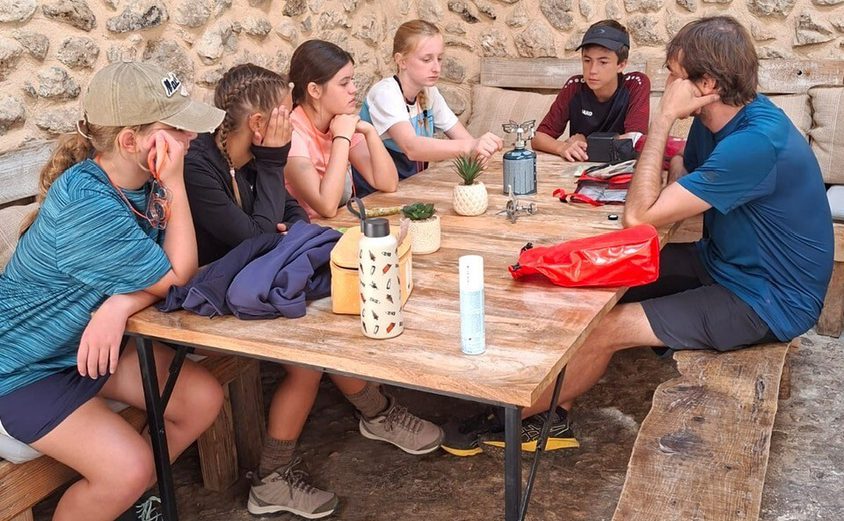
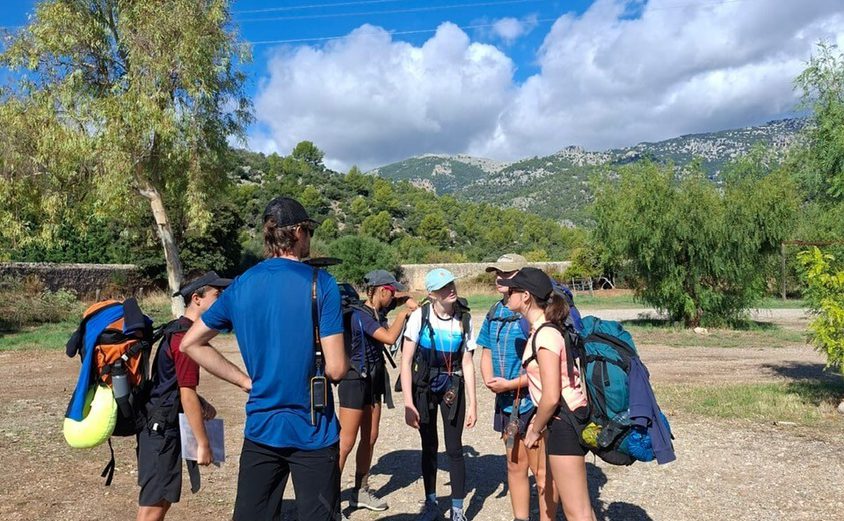
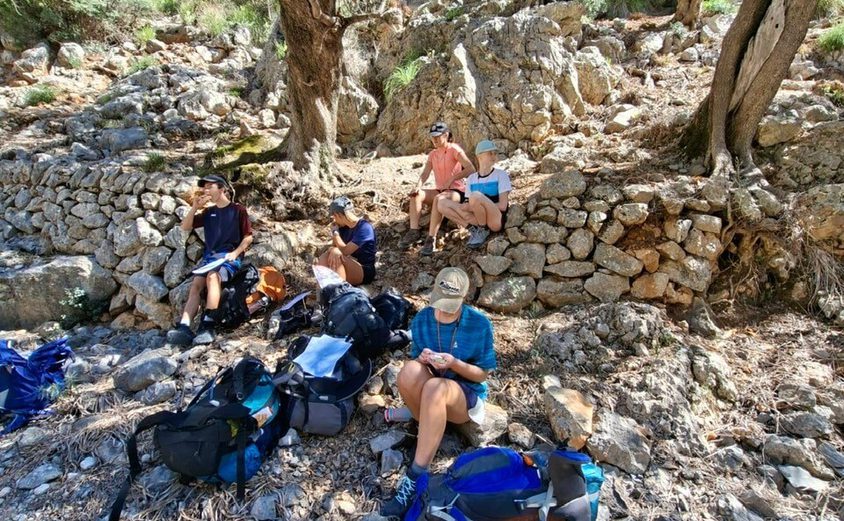
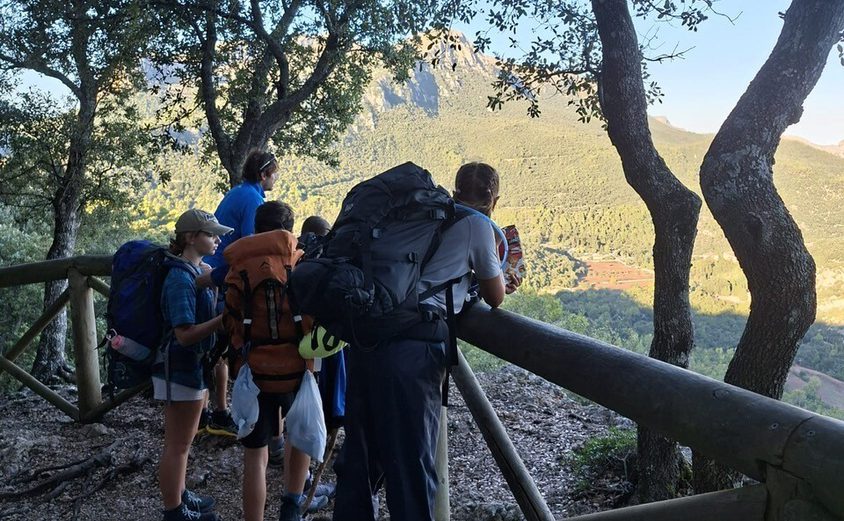
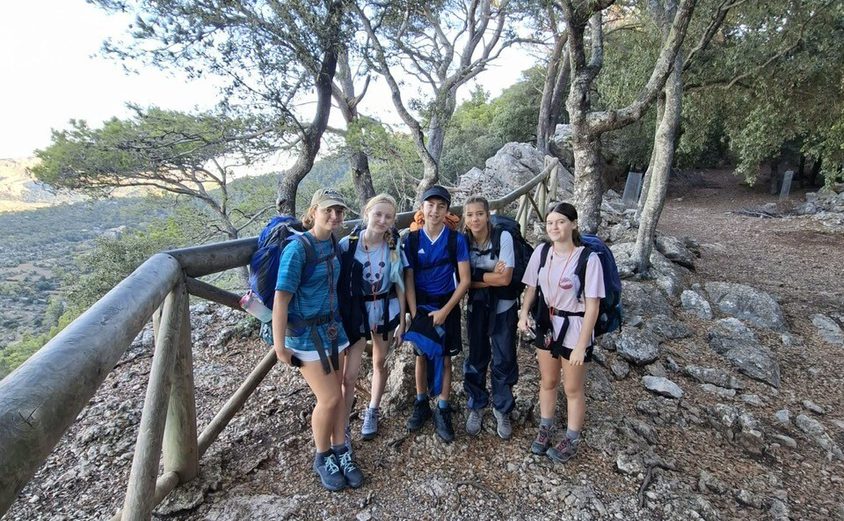
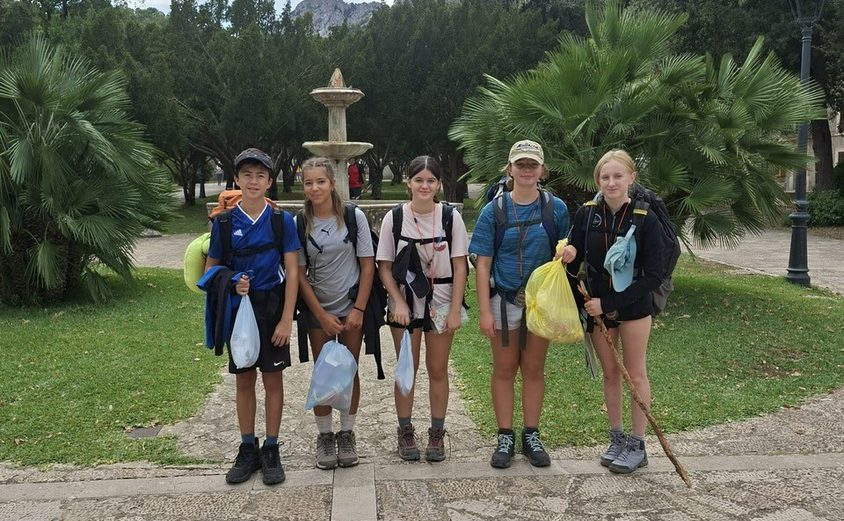
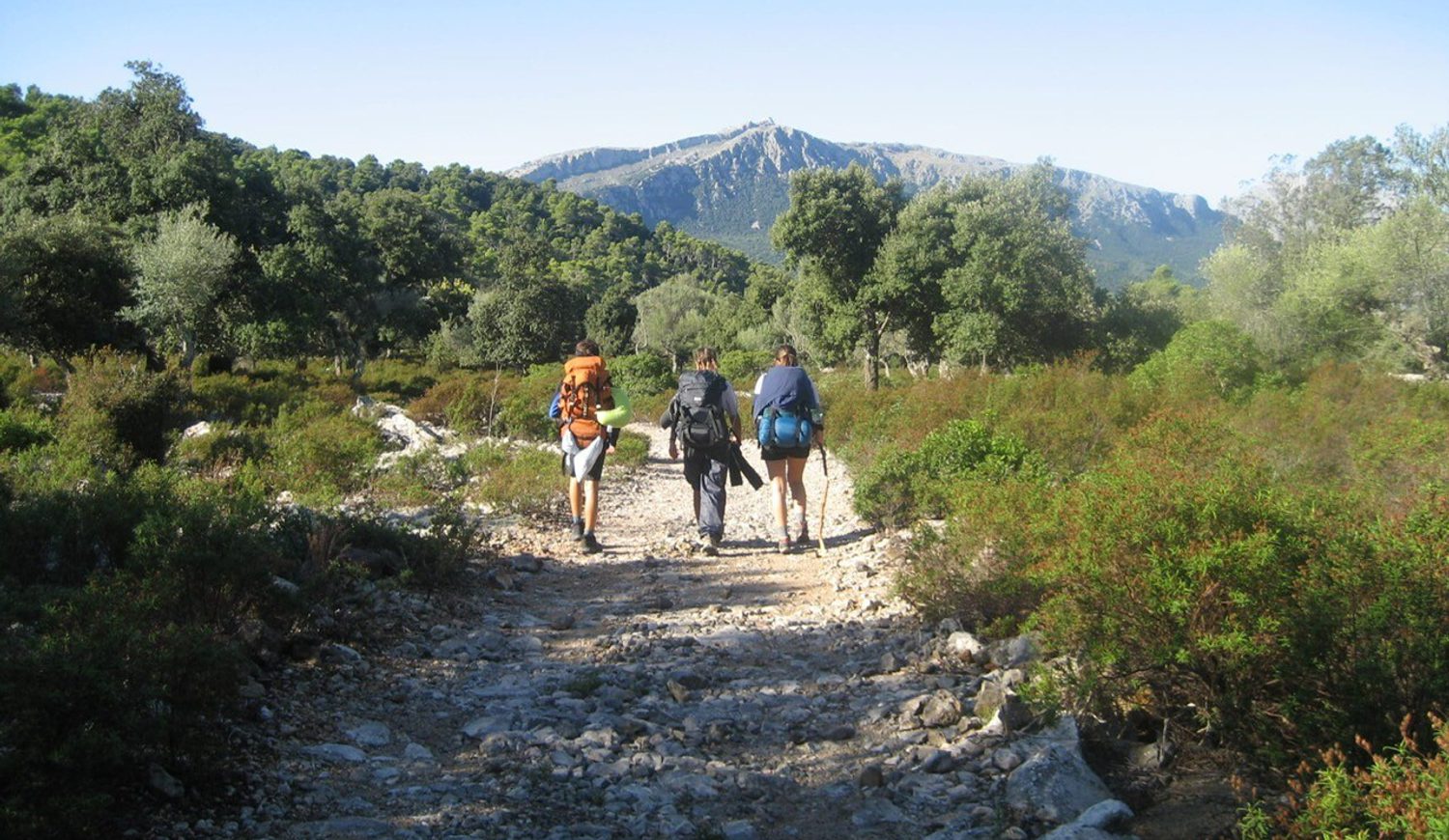
The Adventurous Journey section encourages a sense of adventure and discovery while undertaking a team journey. As part of a small team, participants plan, train for and undertake a journey with a purpose in an unfamiliar environment.
The journey can be an exploration or an expedition but must be a challenge. The aim of this section is to provide participants with the opportunity to learn more about the wider environment, as well as to develop their self-confidence, teamwork and health. Participants are taken out of their comfort zone but kept within a safe and secure setting, achieved through suitable training and supervision.
Examples of Adventurous Journeys (explorations and expeditions):
- Exploring the natural world: glaciation, erosion, geology, coastal studies
- Exploring river valleys, plant studies, exploring human impact: visitor pressure in national parks, pollution
- Carrying out health surveys or health education in remote areas
- Completing a demanding journey by foot, cycle, canoe or kayak
- Kayaking the entire navigable stretch of a river
- An extensive sail across an ocean
- Climbing the Alpine, Himalayan or other mountainous peaks
- Cycling from one end of a country to another
GOLD RESIDENTIAL PROJECT (OR GOLD PROJECT)
The Gold Residential Project, completed only at Gold level, aims to broaden participants’ horizons through involvement with others in a residential setting.
Participants have the opportunity to share a purposeful experience with people who are not their usual companions and work towards a common goal, set out by the participants themselves. Through the Gold Residential Project participants will meet new people, explore life in an unfamiliar environment, develop new skills and, hopefully, have a life changing experience.
Examples of Gold Residential Projects:
- Residential language courses
- Youth camp overseas
- Voluntary work with national parks, youth parliaments, sports coaching
- Crew member on a tall ship
- Work for an international charity
- Restoration projects
Time requirements
The activity should take place over a period of at least four nights and five consecutive days.
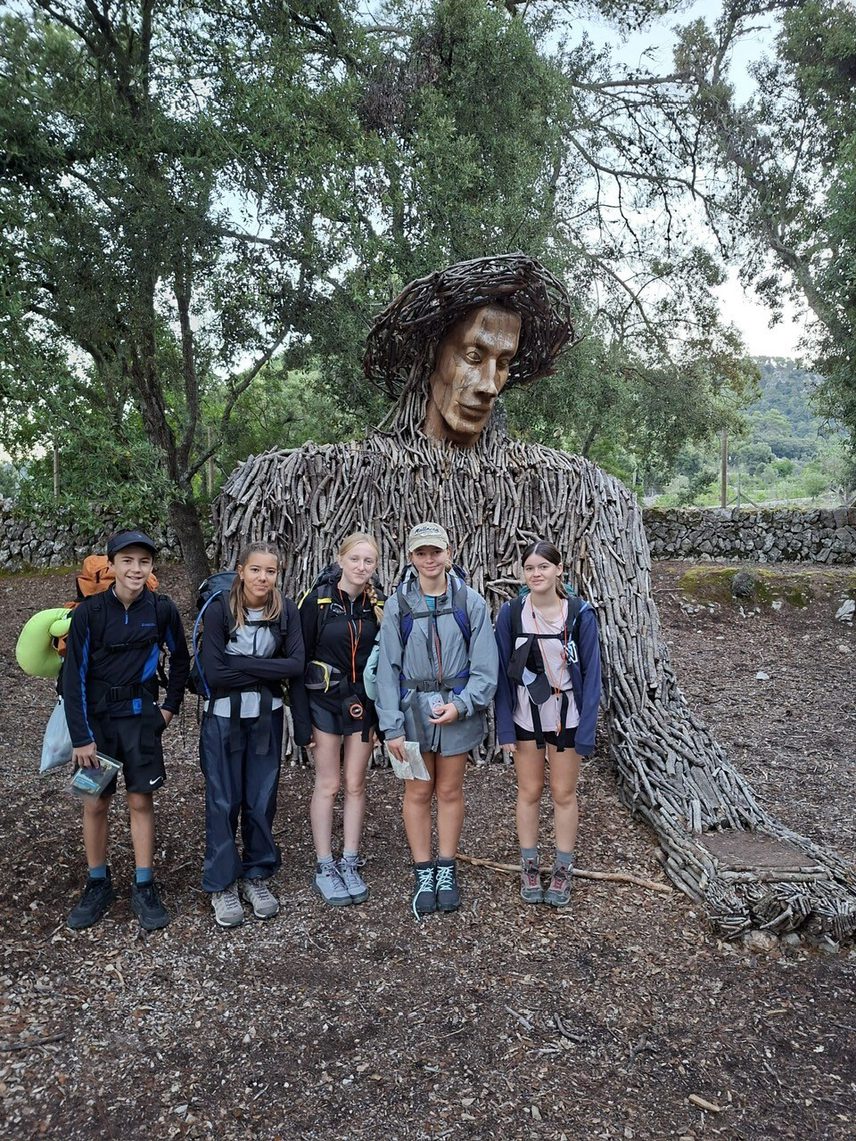
Young people who do the award
- Discover what they are made of
- Make an impact on their community
- Become responsible, mature, independent and successful young people
- Have fun and adventure and acquire lifelong memories
- Gain an award which is highly respected and valued by universities and employers around the world